The AXON journal / Ideas worth exploring
Small molecules.
Big questions.
Discover the science behind the headlines.
Peptides, human biology and the evidence in between.
Research spotlight · New original film
FOXO4-DRI and Cancer:
What Does the Research Show?
A closer look at the laboratory and mouse research, the tumor-surrounding cells studied alongside radiation, and why molecular findings are not proof of patient benefit.
Preclinical evidence, with its limits kept in view.
This film separates FOXO4-DRI from the distinct CL04183 development candidate. It does not establish a cancer treatment or a safe human dose.
Educational film ·
Evidence checked 05 November 2026.
Original conceptual graphics, not experimental images.
The reading room
Follow what fascinates you.
Distinct questions. Connected ideas. A source behind every story.
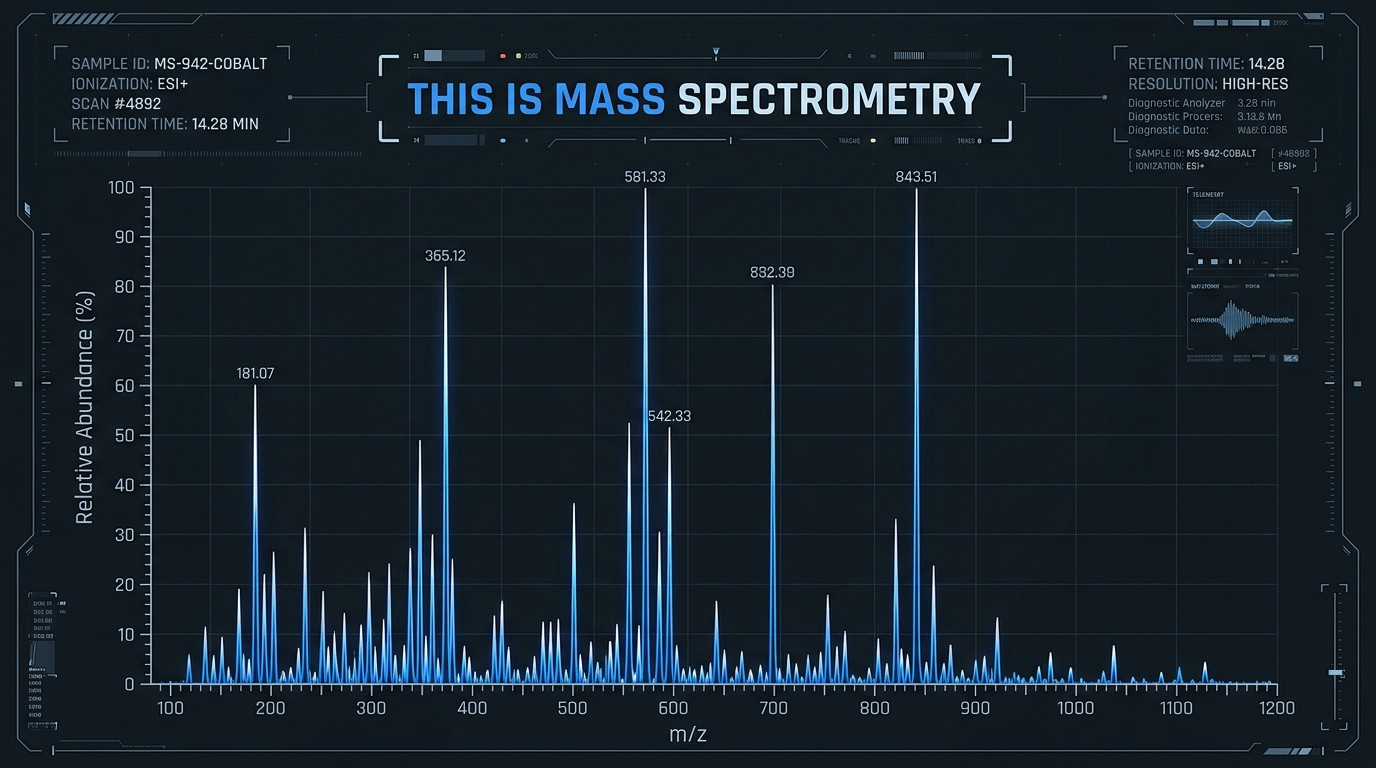
How Laboratories Measure Peptide Purity: HPLC and the Meaning of “99%”
3 min read Read the story →What is retatrutide, and how does a triple receptor agonist differ from tirzepatide?
2 min read Read the story →
Can Peptides Cross the Blood–Brain Barrier?
2 min read Read the story →More to get curious about.
Copper peptides and GHK-Cu: identity, signaling and evidence
Copper peptides are peptides that bind copper. GHK-Cu is a copper complex of the tripeptide glycine-histidine-lysine. Its chemistry and laboratory effects are interesting, but they do not…
2 min read · 2 sources→
Epitalon and Telomeres: A Cellular Finding Is Not Longevity Proof
Telomeres are attractive targets in aging research because they connect chromosome biology with cell behavior. That connection does not make telomere length a simple measure of how long a…
2 min read · 2 sources→Cerebrolysin Trials Need Outcome Specific Interpretation
Cerebrolysin has been studied in neurological conditions, including acute ischemic stroke. It should not be described as though a single, fully characterized synthetic peptide accounts for…
2 min read · 3 sources→What Does “Research Use Only” Mean, and Does It Mean a Product Is Safe?
Understand what a research-use label communicates, what it does not prove, and why a research material is not automatically a medicine.
2 min read · 1 source→What retatrutide liver fat findings do not yet prove
Retatrutide liver research has examined changes in liver fat in a randomized phase 2a study. This is human evidence, but the endpoint must be described accurately: an improvement in an…
2 min read · 2 sources→
How Can You Tell Whether a Peptide Study Is Credible?
A practical reading framework for peptide research, including peer review, study limitations, bias, conflicts, and the difference between data and claims.
3 min read · 3 sources→What is BPC-157, and what does the evidence actually show?
BPC-157 is a synthetic 15-amino-acid peptide studied in experimental models of injury and other conditions. Its name comes from “body protection compound,” but a name is not evidence of a…
2 min read · 4 sources→How to evaluate independent peptide testing
Independent testing is useful when it answers a defined question about a traceable sample. The phrase “third party tested” is not enough to show what was measured, whether the sample…
2 min read · 2 sources→What Are Biomarkers of Biological Aging?
Biomarkers of biological aging are measurable features researchers use to study age-associated biological change. They may include molecular patterns, physiological measurements or…
2 min read · 1 source→Find a question.
See where it leads.
Advertisement · Explore affiliated AXON websites
One idea leads to another
Take the scenic route.
Curated sequences that connect the dots without flattening the science.
What does “99% pure” leave out?
Follow a label through identity, purity, certificates and the limits of a research-use designation.
Follow the journey →A younger biomarker, or a healthier life?
Follow the difference between mechanisms, measurements and outcomes that matter to people.
Follow the journey →A brain signal has a journey of its own.
Connect neuropeptides, the blood–brain barrier, signaling and how cognition is measured.
Follow the journey →What did the testing actually establish?
Move from a certificate to identity, impurity profiles, endotoxin tests and the limits of quality language.
Follow the journey →
The evidence lens
A striking image.
A better question.
Visuals can spark curiosity. They cannot establish a finding. Follow the source material and keep the molecule, study and measured outcome in view.
Learn to read a study →Read with context
Curiosity deserves
clear boundaries.
This is an AXON educational project affiliated with AXON Peptide. All 319 articles are AI-assisted educational drafts. Scientific and clinical review is pending.
Article covers are illustrative imagery, not experimental results or evidence of an AXON laboratory. There are no treatment instructions or product purchases here.
Editorial standards and disclosures →New · Molecular Atlas
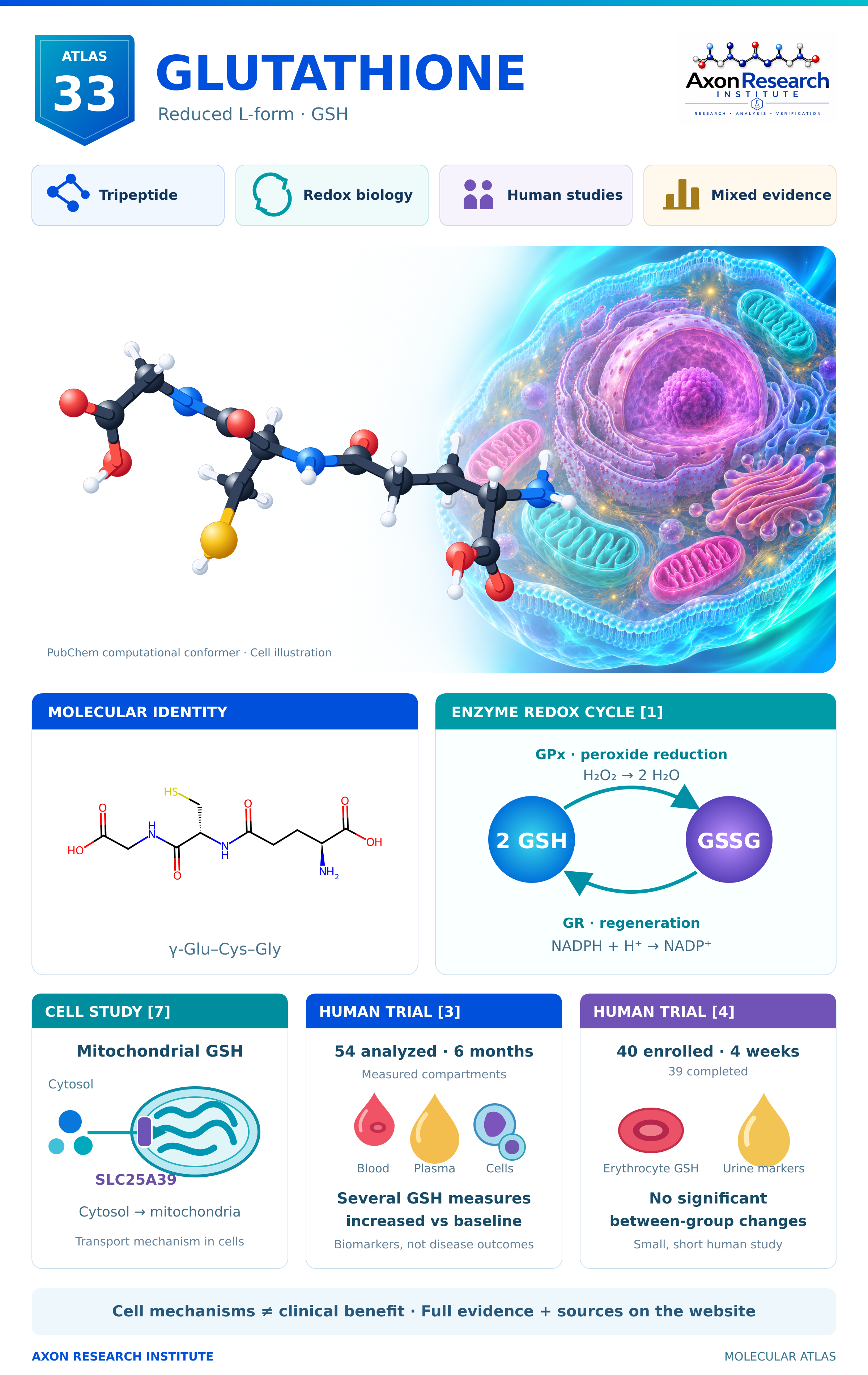
The molecule.
In full focus.
Explore a growing collection of white-background research cards, with source-backed molecular visuals and accompanying references.
Explore the Molecular Atlas →