
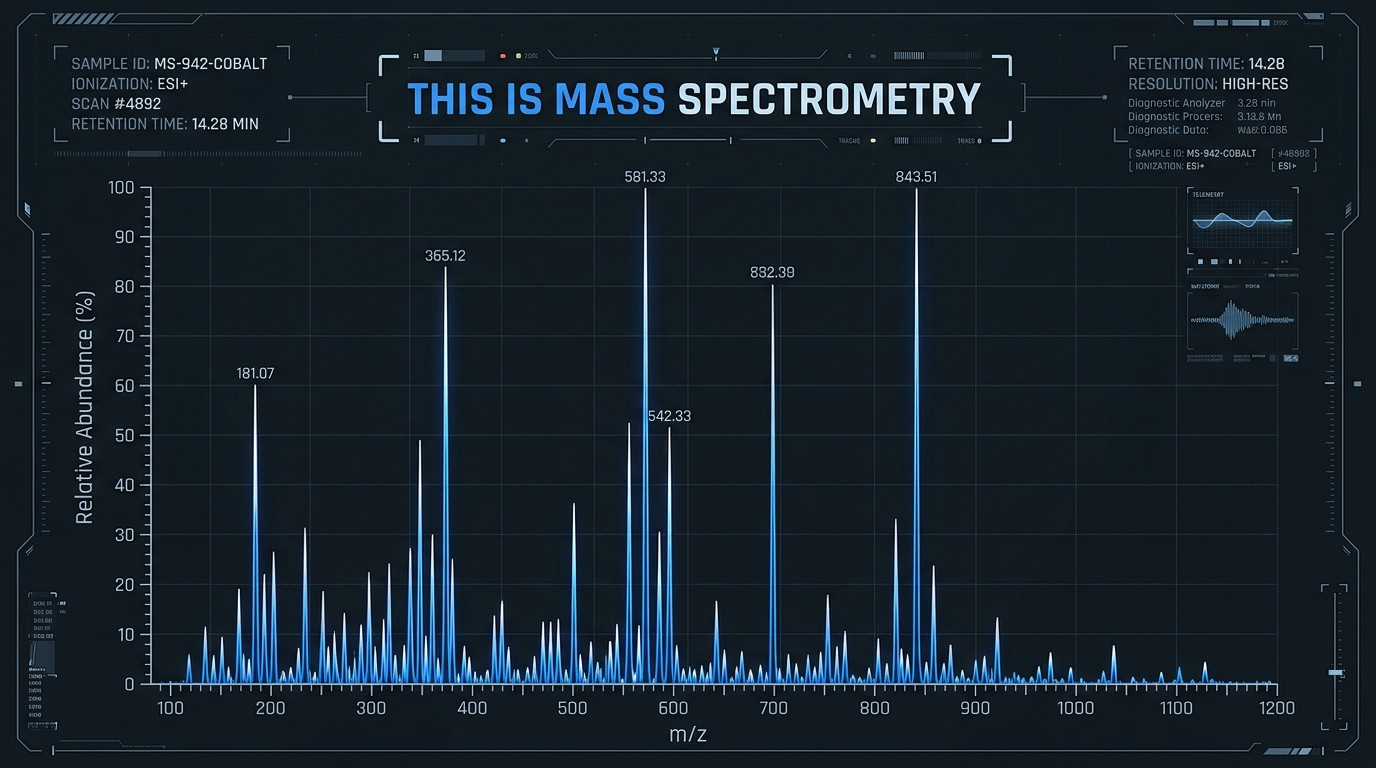
Independent testing is useful when it answers a defined question about a traceable sample. The phrase “third party tested” is not enough to show what was measured, whether the sample represents the delivered lot, or whether the method was suitable.
Start with the analytical question
Identity, purity and content are different attributes. A method supporting molecular identity may not quantify every impurity. A purity result may not establish the amount of peptide in a container. USP’s work on peptide reference standards uses multiple analytical approaches because no single measurement answers every quality question. USP reference standards for synthetic peptide therapeutics
For a laboratory review, record the lot identifier, sample description, test date, method and laboratory identity. Ask what the acceptance criterion was before looking at the reported result. A result is easier to interpret when the method’s scope and limitations are stated.
Examine the chain between sample and lot
A genuine report can still concern a different batch, a supplier-selected sample or material tested before later processing. Independent laboratory ownership alone does not solve sampling bias. Traceability should connect the tested material to the lot under review, with a clear record of how the sample was obtained.
Look for the ability to verify the report through the laboratory rather than relying on an image copied onto a storefront. Do not assume a report is false merely because verification is incomplete; record the limitation and avoid overstating confidence.
Manufacturing controls remain important alongside end-product tests. FDA’s CGMP explanation emphasizes systems that support consistent quality rather than relying solely on a finished sample. FDA facts about current good manufacturing practice
AXON does not use a testing badge to endorse a supplier or establish fitness for human use. The useful output is a documented answer to a narrow quality question, plus a clear list of questions the testing did not address.
You might be wondering
Where this question leads.
Follow the source material.
Links are preserved from the supplied draft manuscripts. Linked sources may change. Regulatory wording needs a fresh specialist check before public launch.
- USP reference standards for synthetic peptide therapeutics →
- FDA facts about current good manufacturing practice →
Review required before wider publication
- Analytical chemist and quality-assurance review required before publication
