
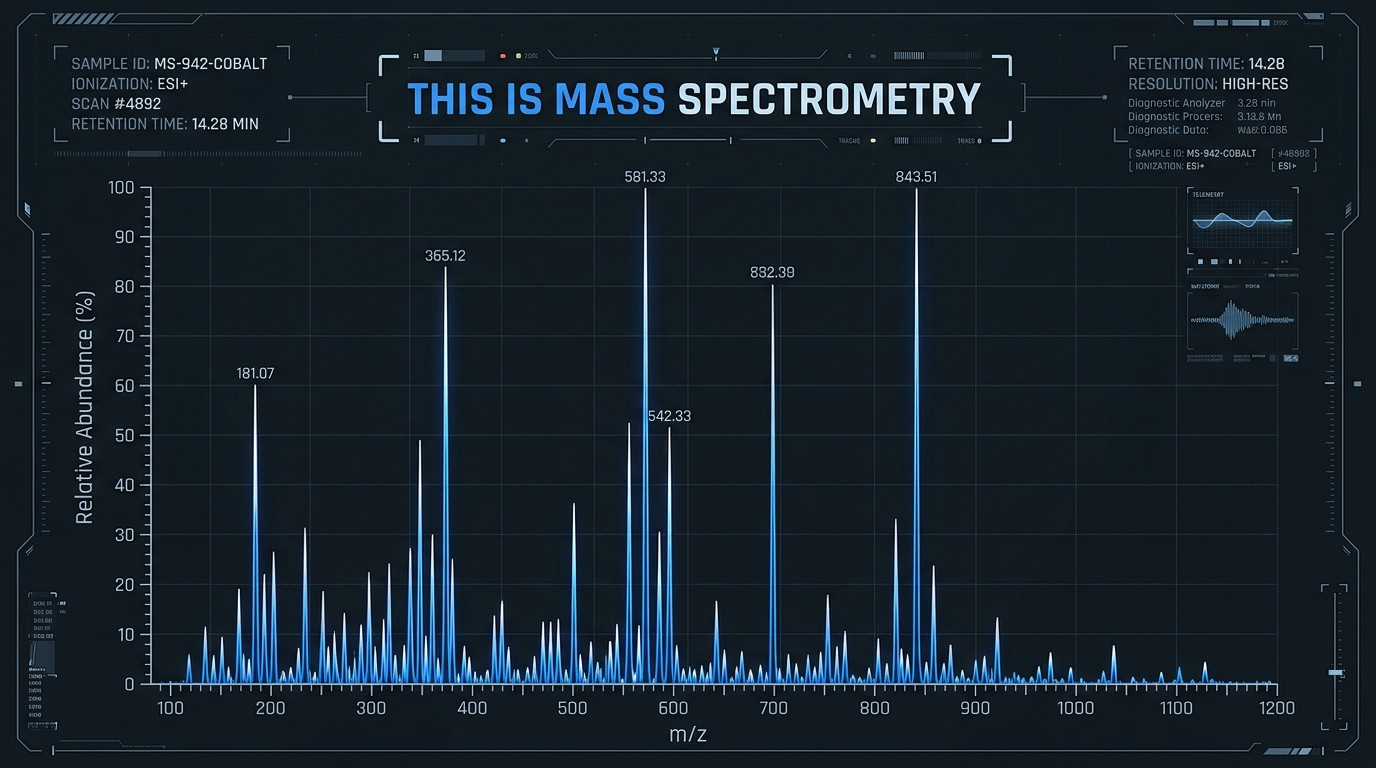
A peptide purity percentage describes a result under a particular analytical method. It should not be read as a complete inventory of everything in a container. Understanding the measurement is more useful than treating the largest percentage as the best product.
Different impurities require different questions
Peptide manufacturing can produce related sequences or chemically modified material. EMA’s guideline, effective June 2026, addresses characterization, impurity control and analytical specifications for synthetic peptides used in medicines. It is not a certification standard for research vendors. EMA guideline on development and manufacture of synthetic peptides
FDA withdrew its earlier synthetic-peptide guidance in July 2026 and issued revised draft product-specific recommendations, including impurity assessment, for certain generic peptide drugs. These remain draft recommendations within a defined application context. FDA July 2026 revised draft guidance announcement for generic peptide products
Chromatographic methods separate components under selected conditions. The reported percentage depends on what the method detects and resolves. Water, counterions or substances with different detector responses may require other measurements. A numerical purity claim therefore needs its method, reporting basis and acceptance criteria beside it.
Distinguish purity from content
Content asks how much of the intended peptide is present. Purity asks about the composition of the material as characterized by the method. Identity asks whether the intended molecule is present. USP’s reference-standard work illustrates why multiple tests are used to characterize these separate attributes. USP reference standards for synthetic peptide therapeutics
For a research reader, an informative report explains how the sample was prepared for analysis, which reference material was used and what unidentified signals remain. It should also state whether the result is a relative signal percentage or an independently quantified amount.
None of these chemical measurements substitutes for sterility, endotoxin evaluation or clinical safety evidence. Nor does a high result establish that a supplier’s entire catalog has the same characteristics.
AXON treats purity as one part of an evidence package. The strongest interpretation is specific and bounded: a named method supports a stated conclusion about a traceable sample. Broader conclusions require broader testing and appropriate manufacturing controls.
You might be wondering
Where this question leads.
Follow the source material.
Links are preserved from the supplied draft manuscripts. Linked sources may change. Regulatory wording needs a fresh specialist check before public launch.
- EMA guideline on development and manufacture of synthetic peptides →
- FDA July 2026 revised draft guidance announcement for generic peptide products →
- USP reference standards for synthetic peptide therapeutics →
Review required before wider publication
- Analytical chemist review required
