
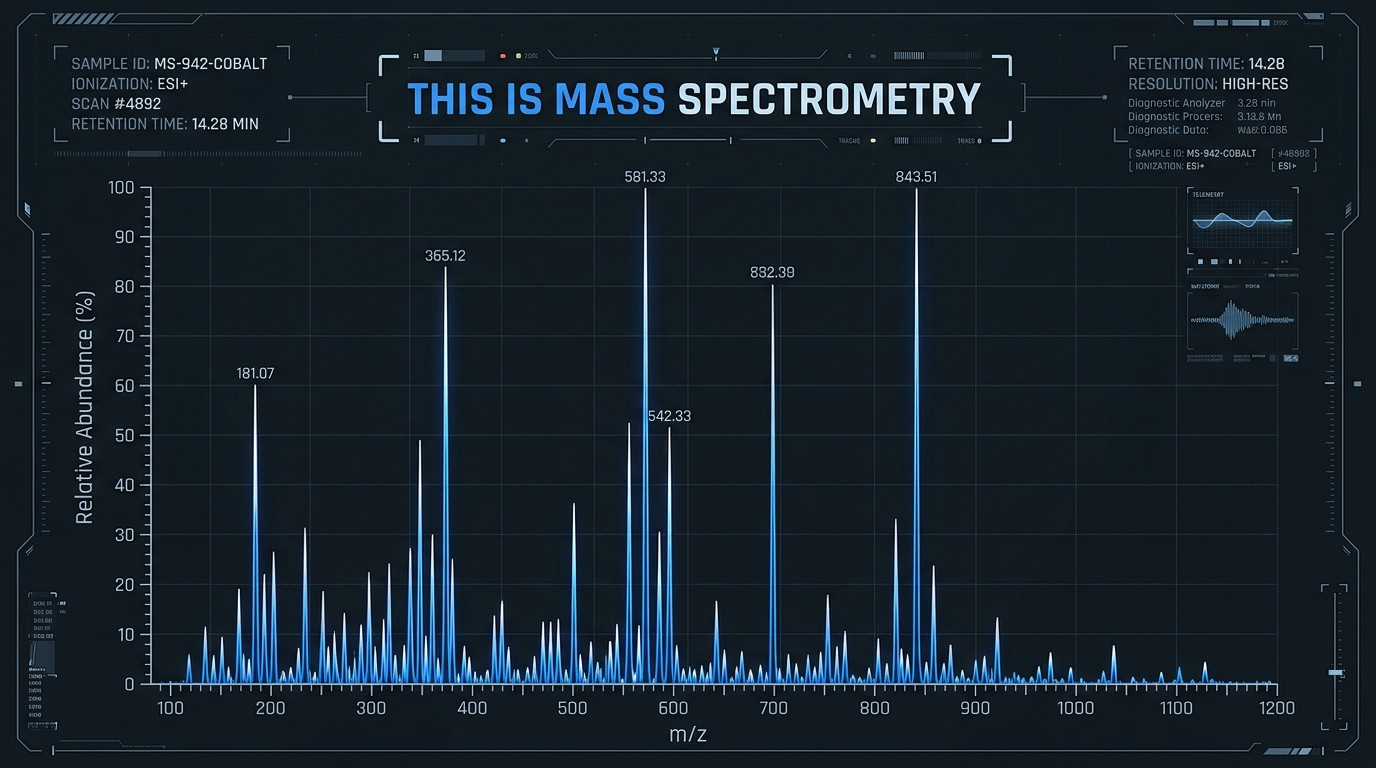
A statement that a material is “fentanyl free” can sound absolute even when the underlying laboratory result is narrower. Analytical testing typically reports whether specified substances were detected under a defined method. The method, sample and detection threshold are essential parts of that statement.
NIST’s opioid detection work illustrates the need for verified chemical signatures and appropriate analytical tools. Identification depends on the substances the method is designed to recognize, not simply on whether a test was performed. NIST opioid detection and identification
Replace absolute wording with a measurable claim
A useful report identifies the target analytes, tested lot, sample date and reporting limit. “Not detected under this method” communicates more accurately than an unrestricted claim of absence. It also leaves room for substances outside the method’s scope.
A negative result does not automatically establish the identity or content of the intended peptide. Nor does it answer questions about sterility, endotoxin, residual chemicals or biological safety. These are separate quality attributes.
Do not infer a market-wide contamination story
Testing for a hazard does not prove that the hazard is common in that product category. A supplier’s decision to add a test may be prudent, but prevalence claims require representative evidence. This article does not establish that any named supplier’s materials contain fentanyl or that a particular company tests every batch.
Health Canada warns that drug test strips can produce false negatives and have other limitations. A strip result should not be treated as comprehensive certification of an unfamiliar material. Health Canada limitations of drug testing strips
AXON’s editorial standard is to describe what the actual evidence demonstrates. A clear analytical statement specifies its scope and limitations, avoids fear-based promotion and never turns a negative contaminant screen into a claim that a research product is safe for administration.
You might be wondering
Where this question leads.
Follow the source material.
Links are preserved from the supplied draft manuscripts. Linked sources may change. Regulatory wording needs a fresh specialist check before public launch.
Review required before wider publication
- Analytical toxicology and quality-assurance review required
