
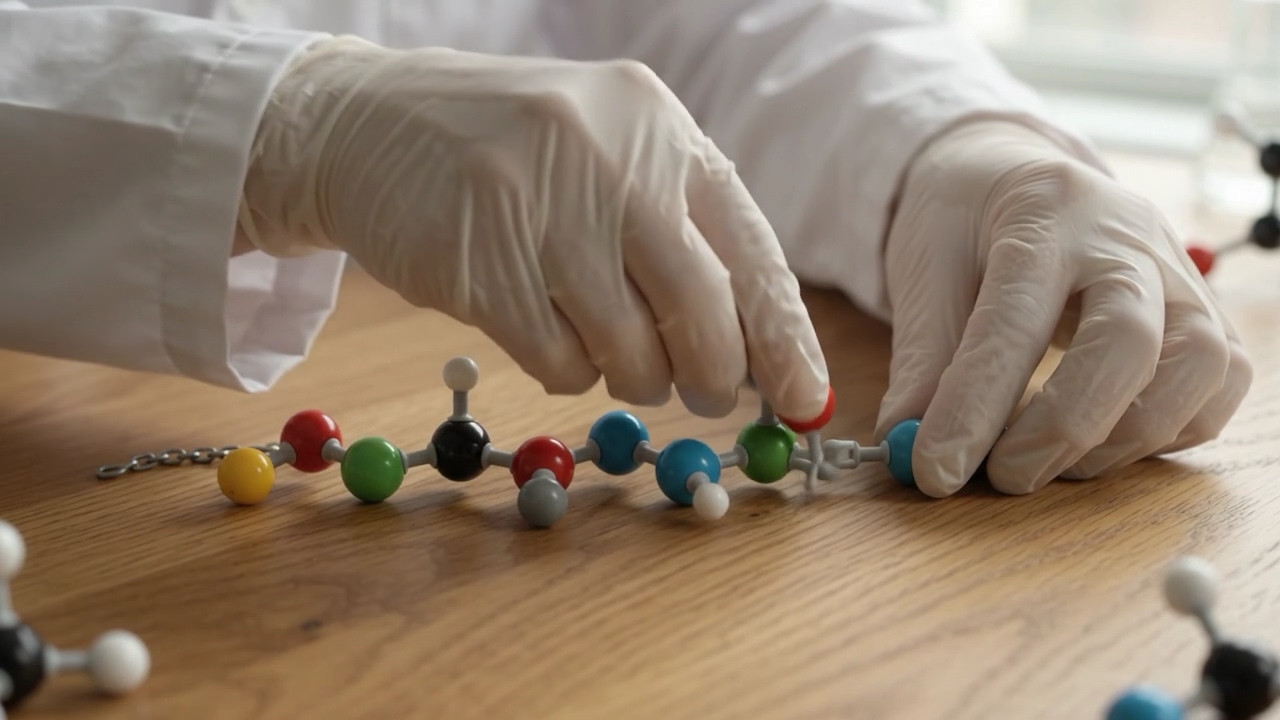
Travel rules for a prescribed medicine should not be assumed to cover a research chemical. The purpose of the item, destination, carrier and legal classification all matter. A general packing article cannot establish that a particular substance may be carried across a border.
TSA's travel checklist describes passenger-security requirements, including its general liquid rules. Security screening is only one part of travel compliance. It does not decide whether an item is an approved medicine or lawful to import at the destination. TSA official travel checklist
Identify the category before packing
For a prescribed medicine, the traveler should obtain product-specific advice from the treating clinician or pharmacist and check the destination authority's requirements. For institutional research material, the appropriate route is the institution's shipping, biosafety or regulatory process rather than an assumption that personal medication rules apply.
FDA's personal-importation policy explains that bringing an unapproved drug into the United States is generally prohibited, with limited discretionary considerations. Those considerations do not create a guaranteed exception and should not be presented as a travel workaround. FDA personal importation policy
Plan for handling and delays separately
Legal permission and material stability are different questions. A product can be permitted but require specific validated transport conditions. A cooler or cold pack does not itself establish that those conditions were maintained. The exact product's documentation should govern the assessment.
AXON's conclusion is to verify the relevant authorities and product information before travel, with enough time to resolve uncertainty. This article provides no concealment advice, customs declaration wording, universal storage instructions or permission to carry a research peptide. A travel plan involving a specific material requires destination-specific review, and uncertainty should be resolved before departure.
You might be wondering
Where this question leads.
Follow the source material.
Links are preserved from the supplied draft manuscripts. Linked sources may change. Regulatory wording needs a fresh specialist check before public launch.
Review required before wider publication
- Transport compliance and pharmacy review
