
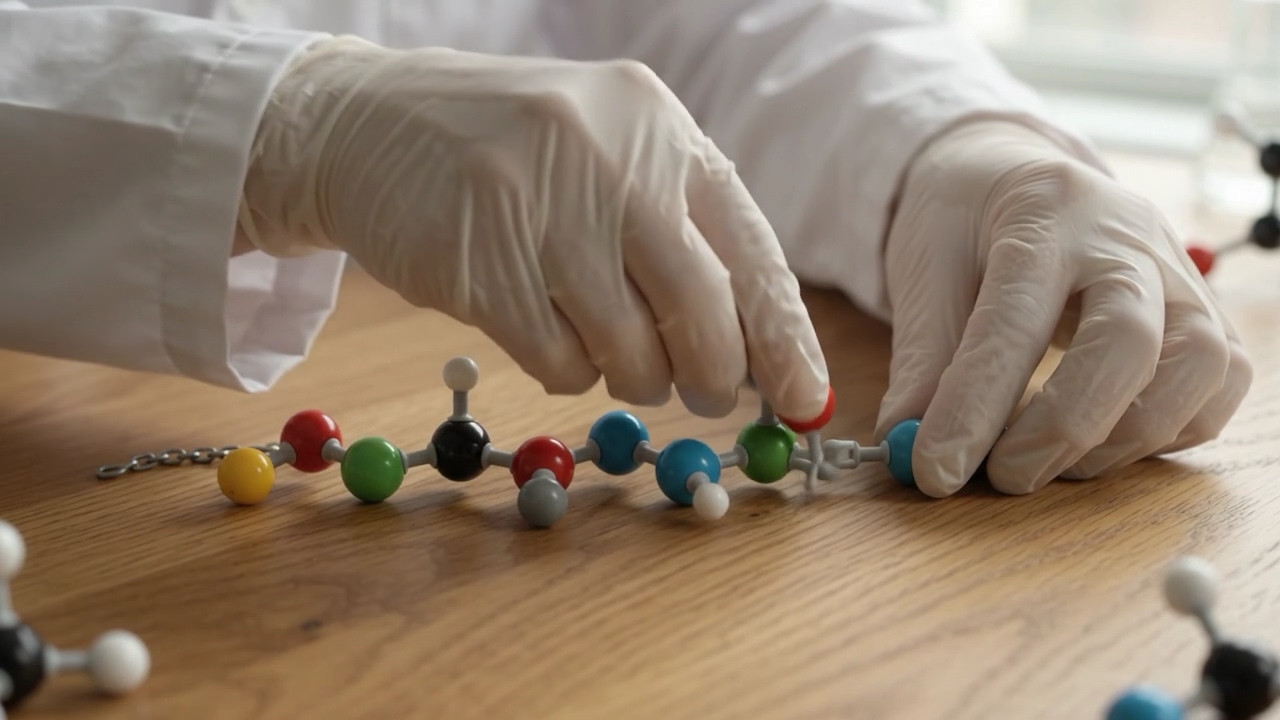
A chemical name does not fully describe a product. Research reagents, compounded preparations and approved medicines may share an ingredient name while differing in intended use, manufacturing controls, evidence and legal status. Those categories should remain visible in every educational comparison.
FDA explains that compounded drugs are not FDA-approved. FDA: Compounding and FDA questions and answers Compounding may address an individual medical need within an applicable legal framework, but it is not a general substitute for product approval. The existence of a prescription also does not transform a research-use-only vial into an approved medicine.
Off-label use is another distinct concept. It refers to a clinician's use of an approved drug for a use outside its approved labeling. FDA: Unapproved use of approved drugs It should not be used as a synonym for administering a chemical that has never been part of an approved product.
For a research reagent, the relevant scientific question is whether its documented properties suit the authorized experiment. For a medicine, the questions also include clinical evidence, appropriate prescribing, formulation and regulatory status. A purity report can inform chemical characterization, but it cannot answer all of those questions.
An effective comparison therefore identifies the actual product and its supply chain before discussing its active ingredient. Ask who manufactured it, which formulation was studied, what authorization applies and whether the claimed indication matches the supporting evidence. Do not rely on a familiar name or a laboratory-style certificate to bridge missing information.
This article offers category definitions rather than legal advice or a treatment recommendation. Regulatory policies can change, and product-specific exceptions require current specialist review. Educational content should never imply that research branding, a clinical anecdote or the availability of a commercial website establishes permission for human use.
You might be wondering
Where this question leads.
Follow the source material.
Links are preserved from the supplied draft manuscripts. Linked sources may change. Regulatory wording needs a fresh specialist check before public launch.
Review required before wider publication
- Medical/scientific accuracy review
- US regulatory and marketing review before publication
