
Calling a supplier safe compresses several separate judgments into one word. A laboratory needs material that is sufficiently characterized for its experiment. A patient needs an appropriate medicine and clinical care. Testing that helps with the first does not by itself satisfy the second.
Translate the experiment into quality questions
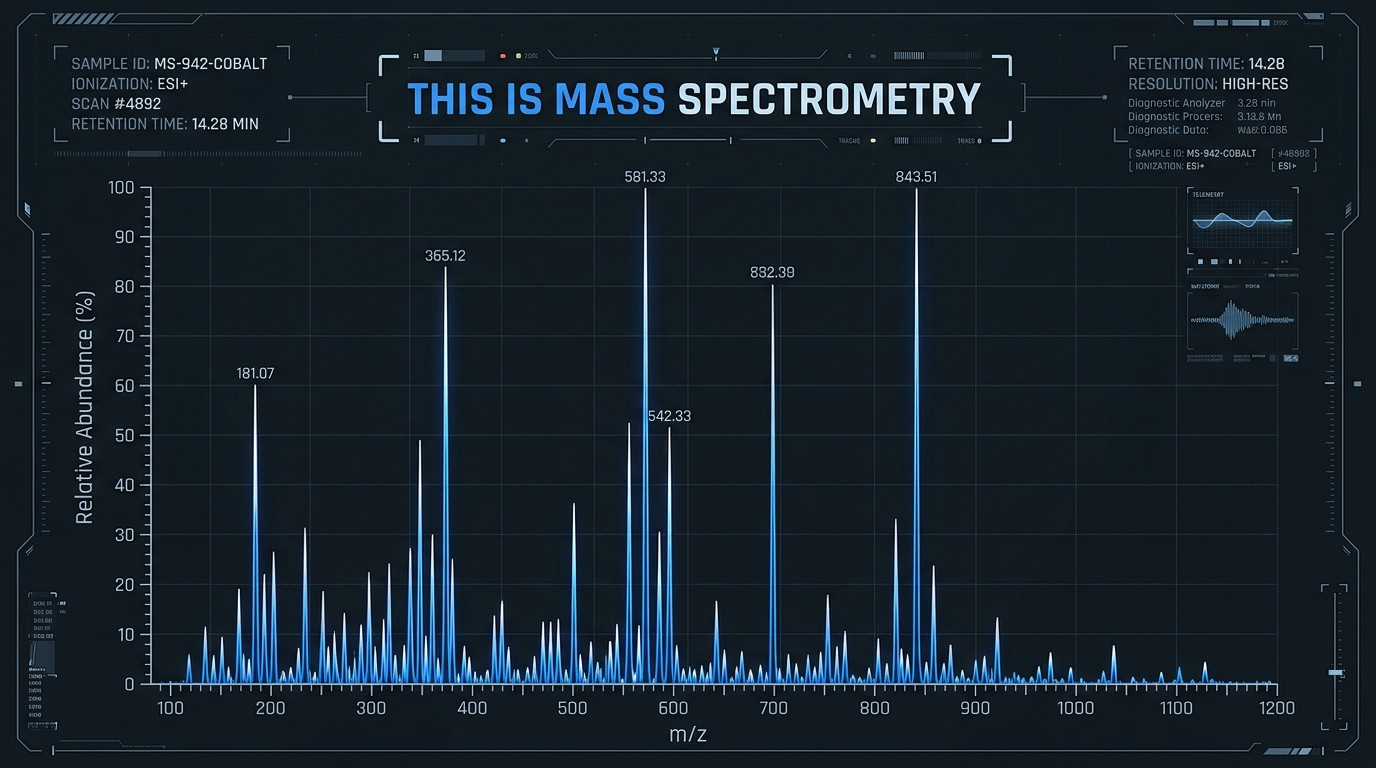
An analytical assay may be sensitive to related peptides, residual solvents or the amount of active material. A cell-based experiment may be affected by contaminants that a simple chromatographic profile does not measure. The relevant panel follows from the application and its potential sources of interference.
FDA's Q2 analytical guidance describes the need for procedures that are suitable for their intended purpose. The useful question is therefore not only whether a test was performed, but whether it can detect or quantify the attribute the research team needs to control. FDA Q2 R2 analytical procedure validation guidance
Use independent checks intelligently
A laboratory report should identify the sample, batch, method and result. If the supplier selected and submitted the sample, that fact should be understood rather than confused with independent sampling of the entire batch. Authenticating a report confirms its origin, not every aspect of the shipment's provenance.
The Q7 pharmaceutical-quality framework emphasizes traceability, specifications and supplier qualification. Used as a reference, it shows why incoming checks and documentary controls work together. It does not transform a research supplier into an approved medicine manufacturer. FDA Q7 guidance for active pharmaceutical ingredient quality
Before use in a study, unresolved discrepancies should be addressed through the laboratory's quality process. A result outside specification may require investigating the cause rather than repeating tests until a desirable number appears.
AXON should describe exactly what has been measured and avoid claiming that any test package guarantees safety. This article provides an approach to research quality assessment, not a certification of a seller or permission to administer research material to people. The final testing plan requires a qualified analytical scientist familiar with the experiment.
You might be wondering
Where this question leads.
Follow the source material.
Links are preserved from the supplied draft manuscripts. Linked sources may change. Regulatory wording needs a fresh specialist check before public launch.
- FDA Q2 R2 analytical procedure validation guidance →
- FDA Q7 guidance for active pharmaceutical ingredient quality →
Review required before wider publication
- Medical/scientific review
- Relevant regulatory and legal review before wider publication
