
A peptide can change after it is made
Degradation means a material has undergone changes that affect its chemical or physical properties. Depending on the sequence and conditions, peptides may experience oxidation, hydrolysis, deamidation, aggregation or other changes. These processes are not interchangeable, and different sequences can respond differently to the same environment.
Temperature, moisture, light, oxygen, pH, formulation and contact surfaces may all matter. There is no single storage rule or universal shelf life that can be safely assigned to every peptide from its category alone.
Why appearance is not enough
A clear solution or an unchanged-looking powder can still have a changed composition. Some degradation products are invisible to the eye, while visible particles may not reveal the exact mechanism. A photograph therefore cannot establish that a material remains within specification.
The reverse is also important: an analytical change requires interpretation. A small new signal must be investigated using the method's capabilities and the material's requirements, rather than automatically described as either harmless or dangerous.
How do scientists assess stability?
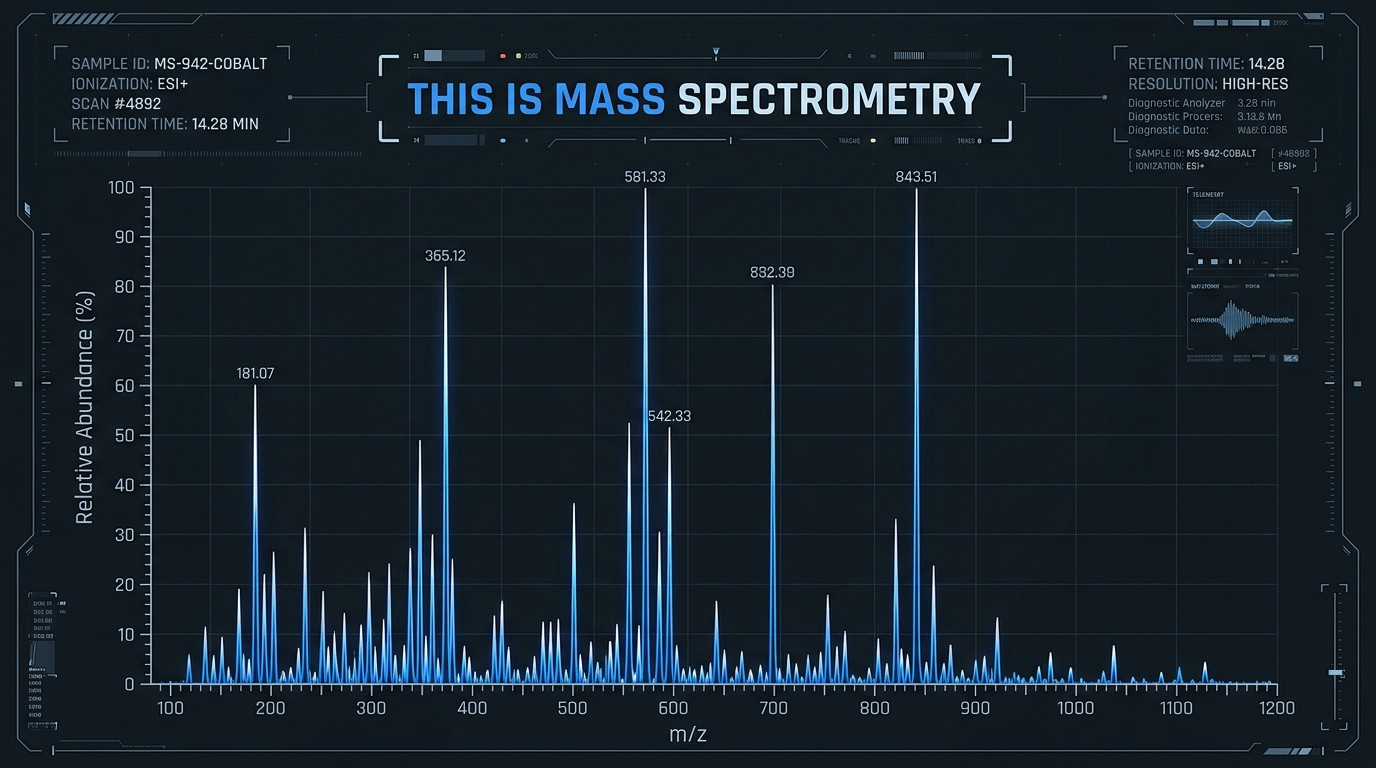
They measure relevant attributes over time under defined conditions. A stability-indicating method should distinguish the intended material from important degradation products or changes. Chromatography can help separate components, while mass spectrometry and other techniques can contribute to identifying changes.
Scientists may also use stress conditions to understand likely degradation pathways and demonstrate whether the analytical method can detect them. Stress testing is not the same as proving a real-world shelf life. A shelf-life conclusion needs an appropriate stability program and relevant packaging and storage conditions.
The EMA's synthetic peptide guideline emphasizes stability-indicating methods and recognizes that peptide materials can be sensitive to unsuitable conditions. It also treats packaging and the stability program as part of the quality assessment. EMA: Synthetic peptide stability and control.
What does an old COA tell us?
It describes results at the time of the reported testing. It does not, by itself, establish the present condition of material after transport or storage. A later assessment needs traceability, storage history and appropriate retesting or stability evidence.
This article intentionally does not provide home storage, reconstitution or administration instructions. Laboratory staff should follow the material-specific validated procedures and safety documentation for their work.
Takeaway: Stability is demonstrated by data, not assumed from a label or appearance. The right question is whether defined quality attributes remain within justified limits over time.
Review flag: Analytical scientist review required; no product-specific shelf-life claim is made.
You might be wondering
Where this question leads.
Original related-reading note
Related articles: A01, A02, A03.
Follow the source material.
Links are preserved from the supplied draft manuscripts. Linked sources may change. Regulatory wording needs a fresh specialist check before public launch.
