
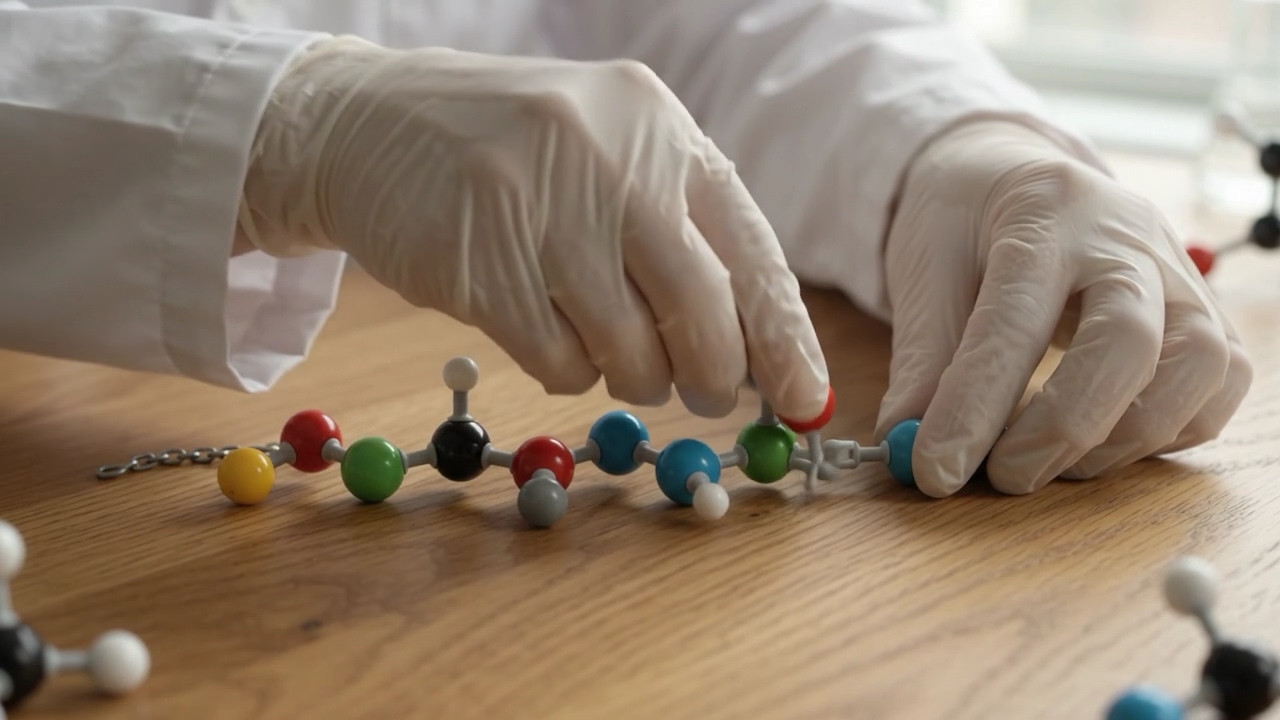
Replacing a research supplier can change an experiment even when the product name stays the same. Salt form, peptide content, impurity patterns, handling history and packaging may differ. A supplier transition should therefore be treated as a documented material change, not just a new purchasing link.
Begin by preserving the specification used for the existing work. Record which properties were actually verified and which were assumed. If the old material was poorly characterized, reproducing its catalog description will not establish equivalence. A new supplier should be evaluated against the scientific requirements of the experiment rather than against an unverified marketing claim.
A useful comparison includes independent measurements that distinguish identity from quantity and purity. Q2(R2) explains why analytical selectivity and fitness for purpose matter. FDA: Q2(R2), validation of analytical procedures Researchers can then decide whether a proposed replacement passes the same acceptance criteria, needs additional characterization or is unsuitable for the intended assay.
The transition plan should also address continuity. Preserve lot records, retain appropriate reference material under the laboratory's procedures and document which experiments used each source. Where feasible, compare old and new material within the same validated assay before combining results across studies. A difference should trigger investigation, not an automatic conclusion that either supplier is inferior.
Regulatory language belongs in a separate column. FDA registration and drug listing do not establish product approval. FDA: Electronic drug registration and listing Nor does a research-use designation establish suitability for human administration. This framework can support a laboratory purchasing decision, but it is not a ranking of companies. A credible alternative is one whose documented properties meet the research need, with uncertainty visible and change control proportionate to the consequences of failure.
You might be wondering
Where this question leads.
Follow the source material.
Links are preserved from the supplied draft manuscripts. Linked sources may change. Regulatory wording needs a fresh specialist check before public launch.
Review required before wider publication
- Medical/scientific accuracy review
- US regulatory and marketing review before publication
