
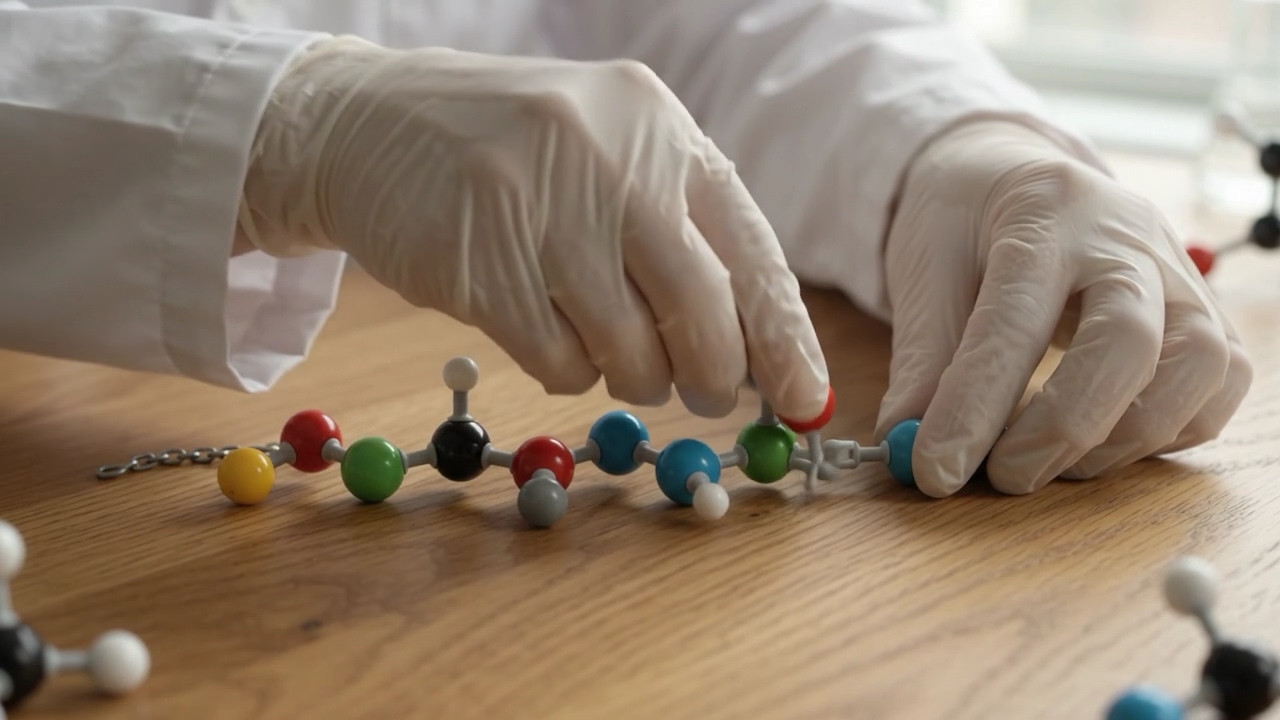
Why are peptides receiving attention?
Several distinct subjects are often discussed together: established peptide medicines, investigational drug development, cosmetic ingredients and unapproved wellness products. Visibility of one category can create interest in another, but evidence does not transfer automatically between them.
Research on pancreatic hormones helped produce medicines for diabetes and obesity. That is a genuine example of basic science contributing to therapeutic development. It does not validate every product marketed using the word peptide. We have not measured search volume or market growth for this article, so “popular” should not be read as a quantified trend. NIDDK's discovery account.
What is peptide therapy?
The phrase is broad and does not identify a standardized treatment. It may refer to an FDA-approved medicine used for a particular condition, a compounded preparation, a clinical-trial intervention or an unapproved product promoted for wellness. These are not equivalent evidence categories.
A meaningful description should name the medicine, formulation, intended use and regulatory pathway. FDA approval applies to a specific product and its reviewed conditions of use, not to the word peptide or to every item containing the same named ingredient. Compounded medicines are not FDA-approved products. FDA: Development and approval, FDA: Compounding questions and answers.
How are peptides manufactured?
One common approach is chemical synthesis. In solid-phase peptide synthesis, a growing chain is attached to a support while protected amino-acid building units are added in sequence. Other approaches include solution-phase chemistry, joining shorter fragments and biological production systems. The most suitable route depends on the molecule.
Making the intended sequence is only one stage. Manufacturers must also separate unwanted material, characterize the product, assess impurities and control storage and packaging. A successful synthesis reaction is not proof of final quality. The EMA's synthetic-peptide guideline addresses these issues, including process controls, characterization, specifications and stability. It is a medicinal-product quality framework, not a certification of every peptide offered online. EMA synthetic peptide guideline.
What should an educational article avoid?
It should not present a broad menu of “peptide therapy benefits” as though all products share clinical evidence. It should also avoid equating laboratory manufacture with approval. The relevant questions remain specific: which molecule, which product, which use, what evidence and what quality controls?
Takeaway: Peptide science includes important medicines and active research. The popularity of the category does not establish the quality or clinical value of an individual product.
You might be wondering
Where this question leads.
Original related-reading note
Related articles: S02, A03.
Follow the source material.
Links are preserved from the supplied draft manuscripts. Linked sources may change. Regulatory wording needs a fresh specialist check before public launch.
