
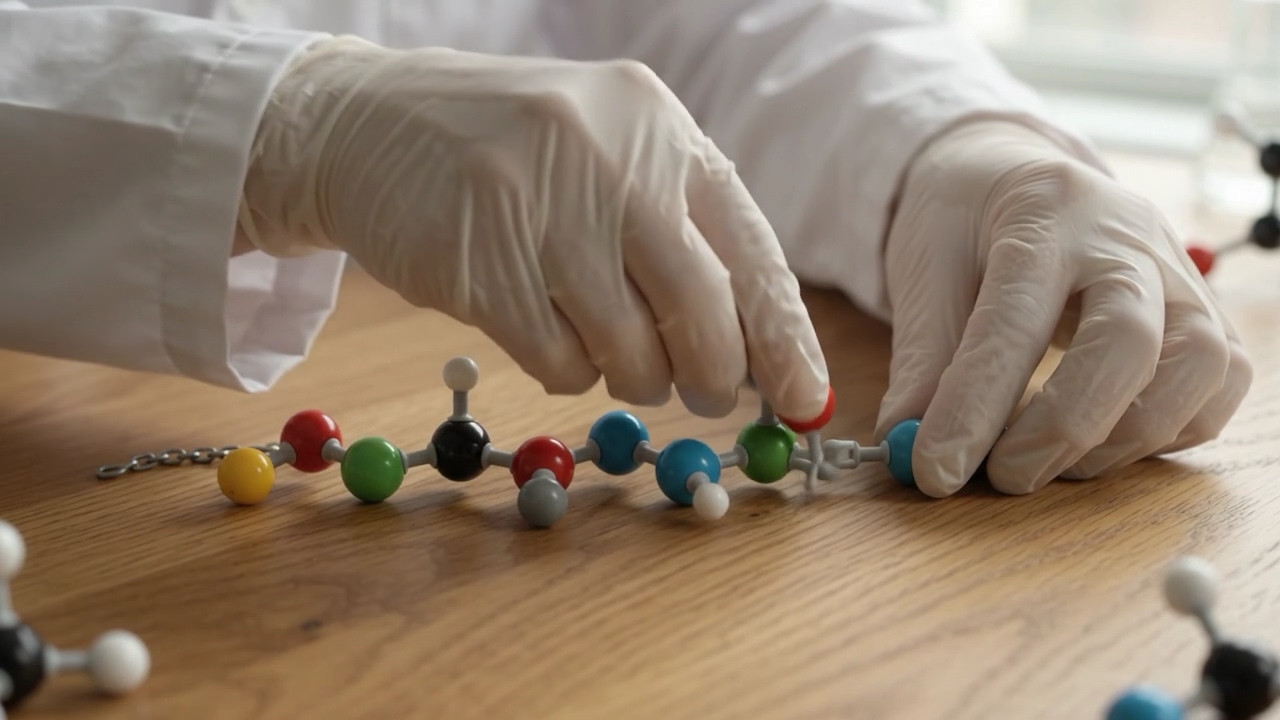
A method that performs well in one laboratory may need additional evaluation before another laboratory can use it reliably. Instruments, software, analysts and sample matrices can affect performance. Sending a written procedure is therefore only one part of transferring analytical knowledge.
FDA's Q8, Q9 and Q10 questions and answers discuss knowledge transfer and the management of outsourced activities across a product lifecycle. That framework helps explain why both the sending and receiving organizations need a shared understanding of the method's purpose and limitations. FDA Q8 Q9 Q10 questions and answers
Define the transfer question
A research team should ask what result must remain comparable. Is the objective consistent identity assignment, quantitative content or detection of a particular impurity? The acceptance criteria should reflect that purpose rather than an undefined expectation that the numbers look close.
The receiving laboratory also needs enough context to recognize a failure. A procedure that omits known interferences or critical assumptions can be followed literally while producing an unreliable conclusion. Specialist review should determine which aspects require demonstration in the new setting.
Explain disagreement before averaging it
If two laboratories report different results, the discrepancy may reveal a method difference, a sample difference or a genuine quality problem. Averaging the results without investigation can obscure the cause. Keep the original reports and document the resolution.
For AXON readers comparing suppliers, agreement between laboratories is useful only when the tested material and measured property are comparable. A second report is not automatically an independent confirmation of every conclusion in the first. This article does not specify a laboratory protocol or judge a provider. It explains why analytical comparability requires a deliberate plan and qualified interpretation.
You might be wondering
Where this question leads.
Follow the source material.
Links are preserved from the supplied draft manuscripts. Linked sources may change. Regulatory wording needs a fresh specialist check before public launch.
Review required before wider publication
- Analytical quality and regulatory review
